We all know what happened when Gandalf confronted the Balrog in Moria. We also know his famous words of defiance on the bridge of Khazad-Dûm. “You cannot pass...I am a servant of the Secret Fire, wielder of the flame of Anor. You cannot pass. The dark fire will not avail you, flame of Udûn. Go back to the shadow! You cannot pass.” (FOTR 370) But…what did he mean by this. Here I’m going to delve into his words so we can interpret, or at least get a general idea of, what he was referring to. You Cannot Pass This phrase is self-evident. Gandalf goal was to protect the company. Stopping the Balrog from reaching them would be the obvious move to achieve this. But did he really think he was capable of conquering it? To answer that, let’s zoom out a little. Gandalf is a Maia and a member of the Istari, or the Wizards. That might not seem like much since the Balrog could also...
Those of you who read The Lord of the Rings will remember Gandalf and Saruman’s confrontation on the steps of Orthanc before Gandalf fully realizes that Saruman has abandoned his wisdom. Here is the passage: “’I am Saruman the Wise, Saruman Ring-maker, Saruman of Many Colors!’” ‘I looked then and saw that his robes, which had seemed white, were not so, but were woven of all colours, and if he moved, they shimmered and changed hue so that the eye was bewildered.’ ‘I liked white better,’ I said. ‘White!’ he sneered. ‘It serves as a beginning. White cloth may be dyed. The white page can be overwritten; and the white light can be broken.’ ‘In which case it is no longer white,’ Said I. ‘and he that breaks a thing to find out what it is has left the path of wisdom.’ (FOTR, Book II: The Council of Elrond) Gandalf’s last retort seems very wise and readers will likely agree with him, but is it really? I...
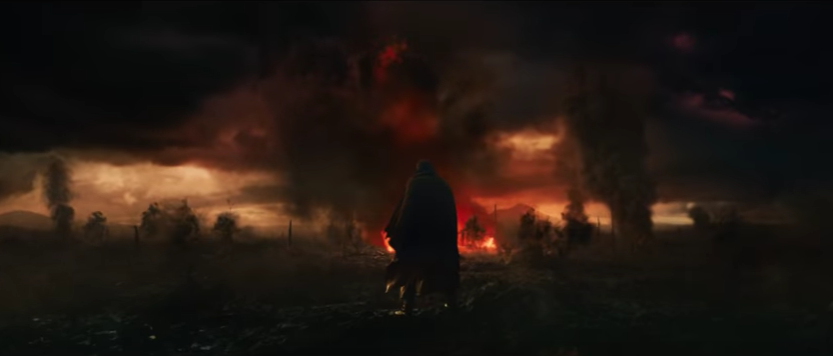
In honor of the biopic Tolkien , which is coming out in two weeks, this post is focused on where we can find Tolkien’s experiences from World War I in his writing. Though many know Tolkien served in World War I, not many are familiar with how it impacted his writing even decades later. Though we likely will never know the extent of which his experiences made their way into the legendarium, here we will explore which parts of his work likely originated from Tolkien’s personal adventure in one of most widespread wars in human history. The Fall of Gondolin There is no place where the reality of World War I is more evident than in The Fall of Gondolin. There, the city is prosperous and the people could be described as living happily and in harmony, all while safe from the brutality that plagued the rest of the world. At the time, Gondolin resembled a Utopia, yet tensions between two characters caused one solitary ev...


Comments
Post a Comment